The semiconductor industry continues to transform at an incredible rate as demand skyrockets for advanced electronics, artificial intelligence, and next-generation computing technologies. For companies like Wafer Process Systems—a San Jose-based OEM of wet process equipment used in semiconductor fabrication—staying ahead of these shifts is crucial to delivering tools that meet evolving fab requirements. Manufacturers are under pressure to improve efficiency, elevate precision, and maintain high yields while devices become more complex and smaller in feature size.
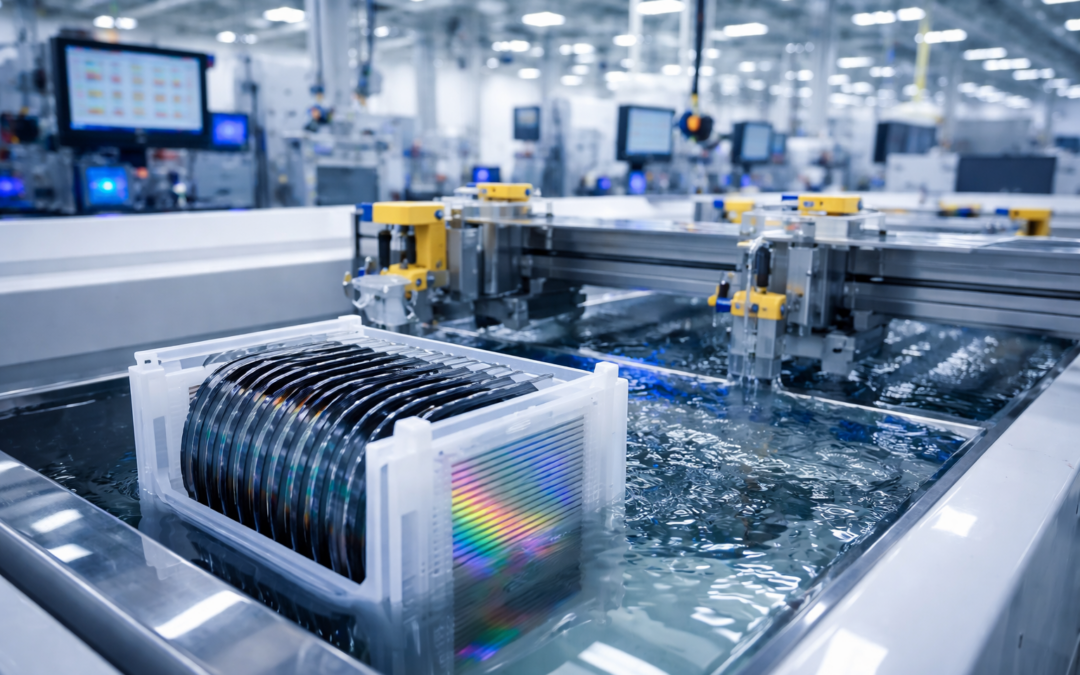
A central aspect of modern fabs is the role of high-quality wet process equipment. Wet benches and associated tools handle critical cleaning, etching, and surface treatment functions during wafer processing, ensuring that contaminants are removed with ultra-fine precision. Without these processes, even microscopic residues can lead to defects that compromise performance or result in costly rework.
Automation: The New Standard in Wet Processing
One of the biggest trends reshaping semiconductor manufacturing is automation. While manual methods were once common for chemical handling and wafer cleaning, today’s fabs are increasingly adopting semi-automated and fully automated wet benches to boost consistency and throughput. Automated systems reduce variability, deliver more repeatable chemical exposure cycles, and improve safety by minimizing direct operator contact with hazardous fluids.
Automation fosters greater scalability in production environments. Fabs that invest in advanced wet process equipment can handle larger wafer volumes while maintaining exacting process control—a key competitive advantage in an industry defined by rapid innovation and tight tolerances.
AI and Smart Manufacturing Integration
Another compelling trend is the integration of artificial intelligence (AI) and smart manufacturing technologies into fab operations. AI-enabled systems are increasingly used to monitor real-time process parameters, detect anomalies, and anticipate maintenance needs before downtime occurs. These data-driven approaches make the entire manufacturing chain more agile and resilient.
For wet process tools, this means enhanced control over chemical concentrations, temperature profiles, and cycle timing. When this data integrates seamlessly with fab-wide analytics platforms, decision-makers gain insights that help optimize quality and yield—pivotal measures in semiconductor production.
Sustainability and Safety: Engineering Responsibility
As environmental and regulatory focus intensifies worldwide, semiconductor manufacturers are prioritizing equipment that reduces chemical waste and energy use while enhancing safety. Wet processing inherently involves chemicals, water, and significant process infrastructure, so efficient design isn’t just a performance matter—it’s a compliance and sustainability imperative.
High-quality wet benches and dryers designed with safety features and optimized fluid management help fabs meet these goals without sacrificing productivity. Industry leaders like Wafer Process Systems engineer solutions that balance environmental responsibility with high throughput, driving both operational success and regulatory compliance.
Looking Ahead
Despite strong growth in demand for semiconductor devices, the industry faces ongoing challenges—rising costs, supply chain complexities, and the need for skilled talent. To stay competitive, fabs must invest in reliable, adaptable equipment capable of growing with technology nodes and evolving process requirements.
By keeping an eye on automation, AI integration, sustainability, and precision process control, companies like Wafer Process Systems play a vital role in powering the innovations that will define the next decade of semiconductors. Their expertise in custom wet process design offers fabs the tools they need to thrive in an increasingly demanding and dynamic manufacturing landscape.